Complete Guide to Bathroom Remodeling: 5 Key Elements for Success
Bathroom renovation is one of the most rewarding home improvement projects you can undertake. Not only does it enhance your daily living experience, but it also increases your home's value significantly. However, achieving a successful bathroom remodel requires careful planning and attention to detail. This comprehensive guide will walk you through the five essential elements that make the difference between a mediocre bathroom and a truly exceptional one.
Whether you're working with a tight budget or planning a luxury upgrade, understanding these key elements will help you make informed decisions and avoid costly mistakes. Let's dive into each element and explore how they contribute to creating your dream bathroom.
Element 1: Proper Ventilation Systems
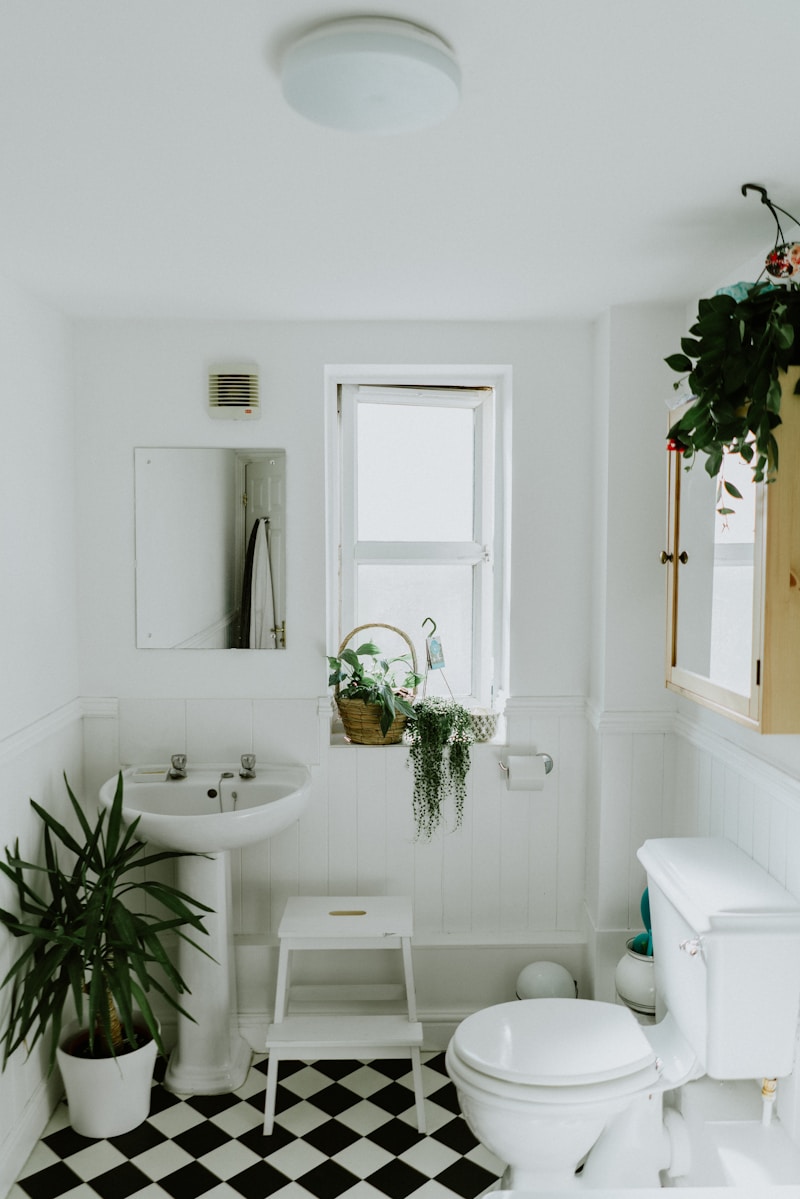
One of the most overlooked aspects of bathroom remodeling is ventilation. Many homeowners focus primarily on aesthetics and forget that proper ventilation is crucial for maintaining a healthy bathroom environment. Without adequate ventilation, moisture accumulates, leading to mold growth, structural damage, and unpleasant odors.
When planning your bathroom remodel, ensure that your ventilation system can handle the moisture generated by showers and baths. A properly sized exhaust fan should remove humidity effectively and can be vented to the outside of your home. Modern ventilation systems are whisper-quiet and can even include humidity sensors that activate automatically when moisture levels rise.
- Install exhaust fans rated for your bathroom size (typically 50-110 CFM)
- Ensure fans are vented directly outside, not into the attic
- Consider humidity-sensing or motion-activated ventilation systems
- Use low-moisture paint and materials throughout
- Install proper door seals to contain moisture
Element 2: Quality Materials and Fixtures
The materials you choose for your bathroom remodel will determine both its longevity and appearance. Investing in quality fixtures and materials now will save you money in repairs and replacements down the road. The bathroom is a high-moisture environment, so every material must be water-resistant and durable.
When selecting materials, consider the overall style you want to achieve while keeping functionality in mind. High-quality porcelain tiles, solid wood vanities sealed with waterproof finishes, and premium fixtures not only look better but also perform better over time. Don't compromise on quality in areas that will see heavy daily use, such as faucets and showerheads.
- Choose porcelain or natural stone tiles for durability and water resistance
- Select solid brass or stainless steel fixtures to prevent corrosion
- Use premium grout and sealants to prevent water infiltration
- Consider quartz or granite countertops for longevity
- Install quality plumbing fixtures from reputable manufacturers
Element 3: Strategic Layout Design
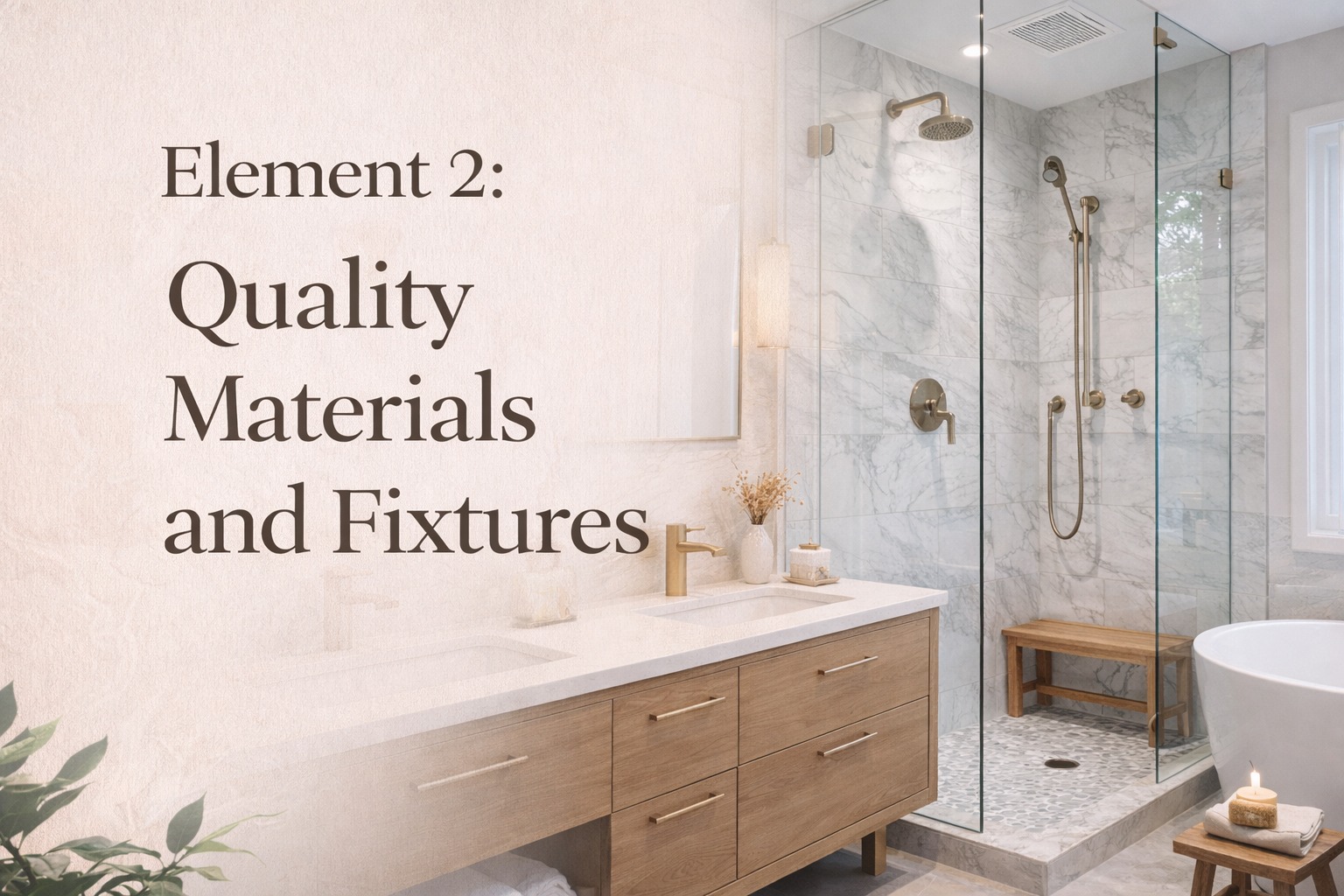
The layout of your bathroom significantly impacts both functionality and aesthetics. A well-designed bathroom feels spacious and flows naturally, making it a pleasure to use. Poor layout can make even a large bathroom feel cramped and inconvenient. When planning your bathroom remodel, think about how you'll use the space and what activities happen there.
Consider the "work triangle" concept borrowed from kitchen design. Your sink, toilet, and shower or tub should be positioned for efficient movement and convenience. The toilet should be positioned for privacy if possible, and the sink should be easily accessible. Think about storage needs and ensure you have adequate space for towels, toiletries, and other bathroom essentials.
- Position the toilet away from the entrance for privacy
- Place the sink in a well-lit area with easy access
- Ensure the shower or tub is positioned for comfort and safety
- Plan storage solutions for better organization
- Consider adequate spacing for movement and furniture
Element 4: Professional Installation Techniques
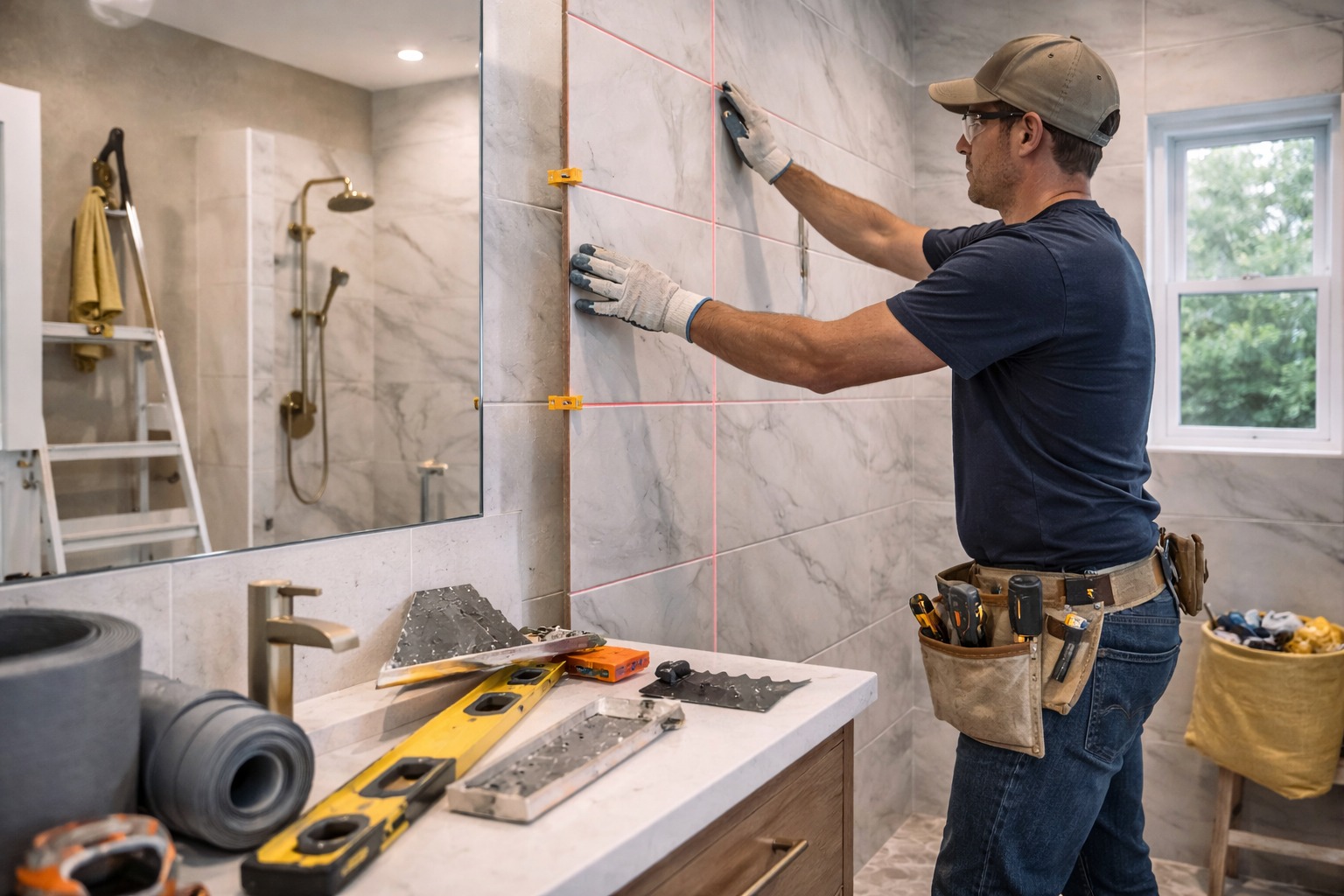
Even the best materials and design won't result in a successful bathroom remodel without proper installation. Professional installation ensures that everything is done correctly, from waterproofing to electrical work to tile installation. Poor installation can lead to leaks, electrical hazards, and cosmetic problems that are expensive to fix later.
When you hire professional installers, you benefit from their experience and expertise. They know the best practices for ensuring longevity and safety. They'll properly waterproof areas that need it, install fixtures according to manufacturer specifications, and ensure all work meets local building codes. Professional installation also typically comes with warranties that protect your investment.
- Hire licensed and insured contractors for all major work
- Ensure proper waterproofing in wet areas
- Verify that all electrical work meets code requirements
- Use proper grout and sealant techniques
- Install fixtures according to manufacturer specifications
Element 5: Lighting and Ambiance
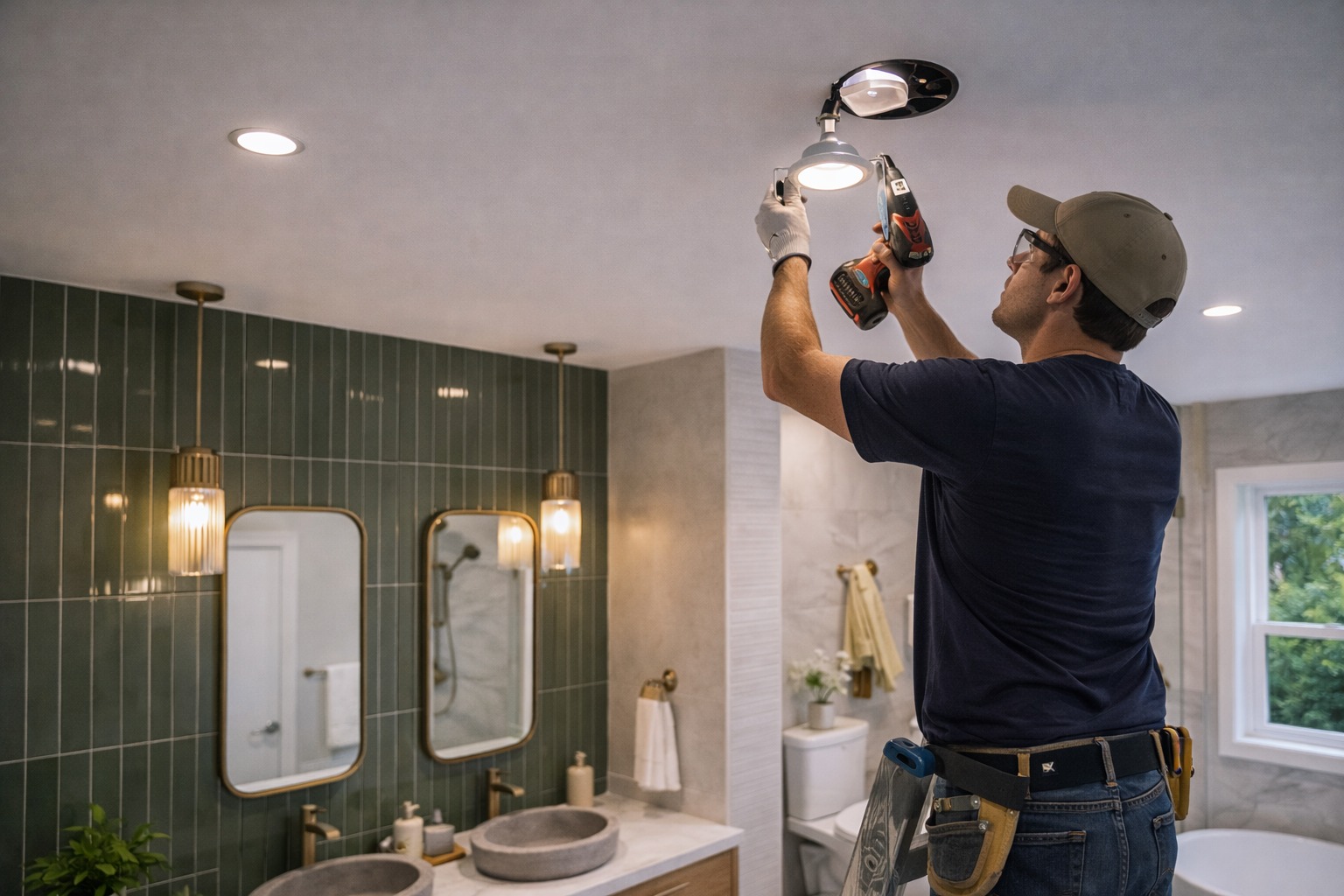
Lighting is often an afterthought in bathroom remodels, but it plays a crucial role in both functionality and aesthetics. Good lighting makes the bathroom safer and more pleasant to use. Consider incorporating multiple layers of lighting: task lighting around the mirror for grooming, ambient lighting for general illumination, and accent lighting to highlight design features.
Modern LED lighting is energy-efficient and long-lasting, making it an excellent choice for bathrooms. You can also consider installing dimmer switches to create different moods and adjust lighting based on the time of day. Proper lighting also helps showcase the materials and finishes you've chosen for your remodel.
- Install adequate task lighting around the mirror and sink
- Add ambient lighting for overall illumination
- Consider accent lighting to highlight design features
- Use LED bulbs for energy efficiency
- Install dimmer switches for flexibility and mood setting